

Alcohol brands that sell within the rules.
Age-gated sites, launch creative and ads that clear the rules. Built in Calgary for spirits, beer and RTD brands across Canada.
02 · THE STANCE
Three parties get a vote on an alcohol brand.
Most marketing only hears from one. The platform decides who can see the ad. The province decides who can buy the bottle and where it can ship. The retailer decides whether it is on the shelf at all. A campaign built for the first one alone pays to send people somewhere they cannot buy. The work here is built for all three.
What an alcohol brand marketing agency does in Canada
It builds the four things a bottle needs to sell and keeps them inside the rules. A brand and shop site behind an age gate, with a page per product and a route to buy that matches what the brand is allowed to sell in each province. Launch creative, from the label and the box to the photography a liquor store buyer sees before the bottle. Paid media on Meta and Google set up to their alcohol policies, aimed only at people who can legally buy and provinces the brand can serve. And the retail and direct-to-consumer pathways behind all of it, a retailer lookup where the product is stocked and a shop or reservation path where shipping is permitted.
The timing matters this year. Nine provinces signed a direct-to-consumer alcohol agreement on July 21, 2026, so a producer can now ship to more of the country than it could in the spring, at a different cost per destination. From 29 September 2026 the United States stops admitting packaged Canadian spirits, beer, wine and cider, which takes an export market off the table and puts the domestic shelf and the domestic shop at the centre of every plan.
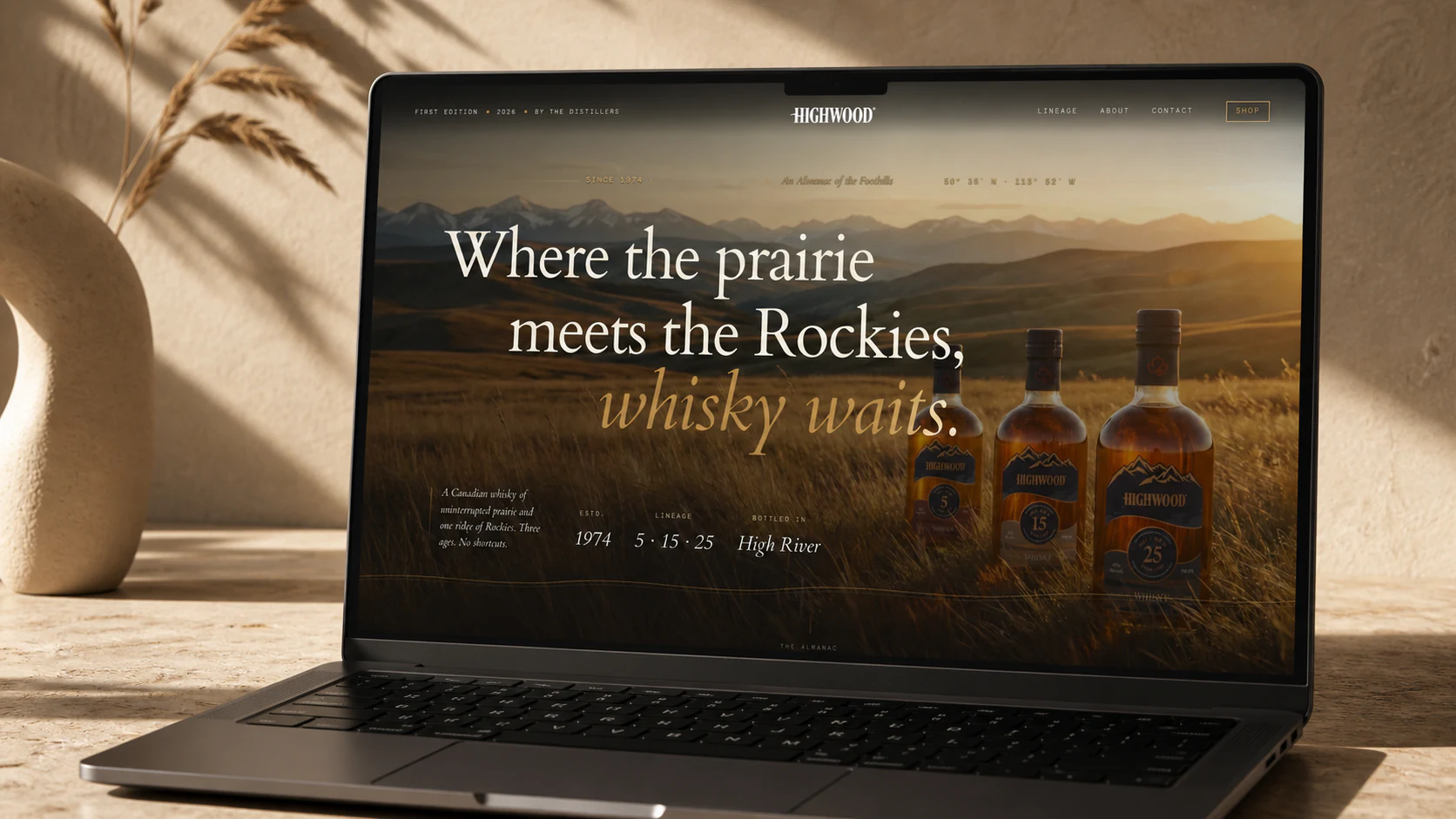
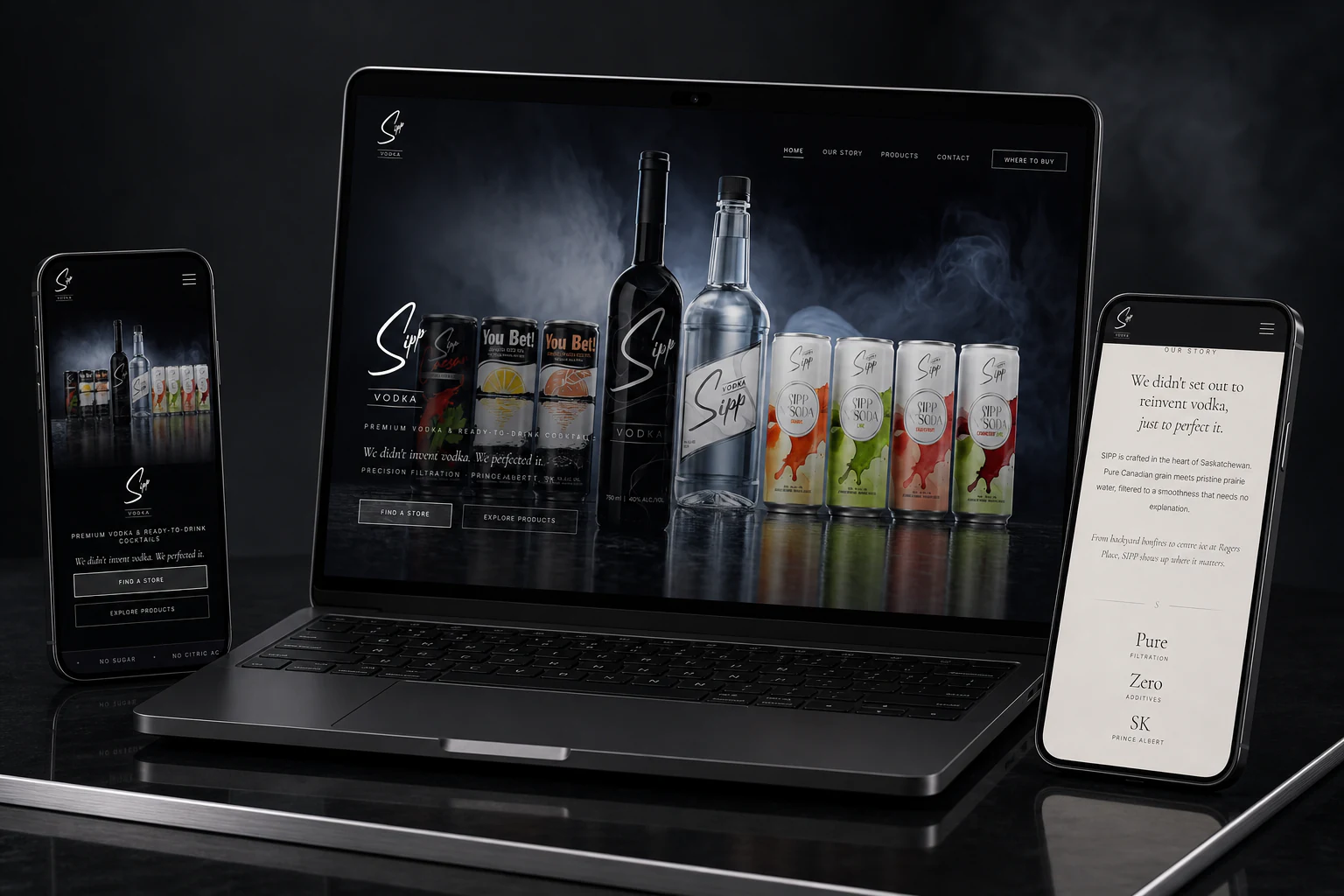
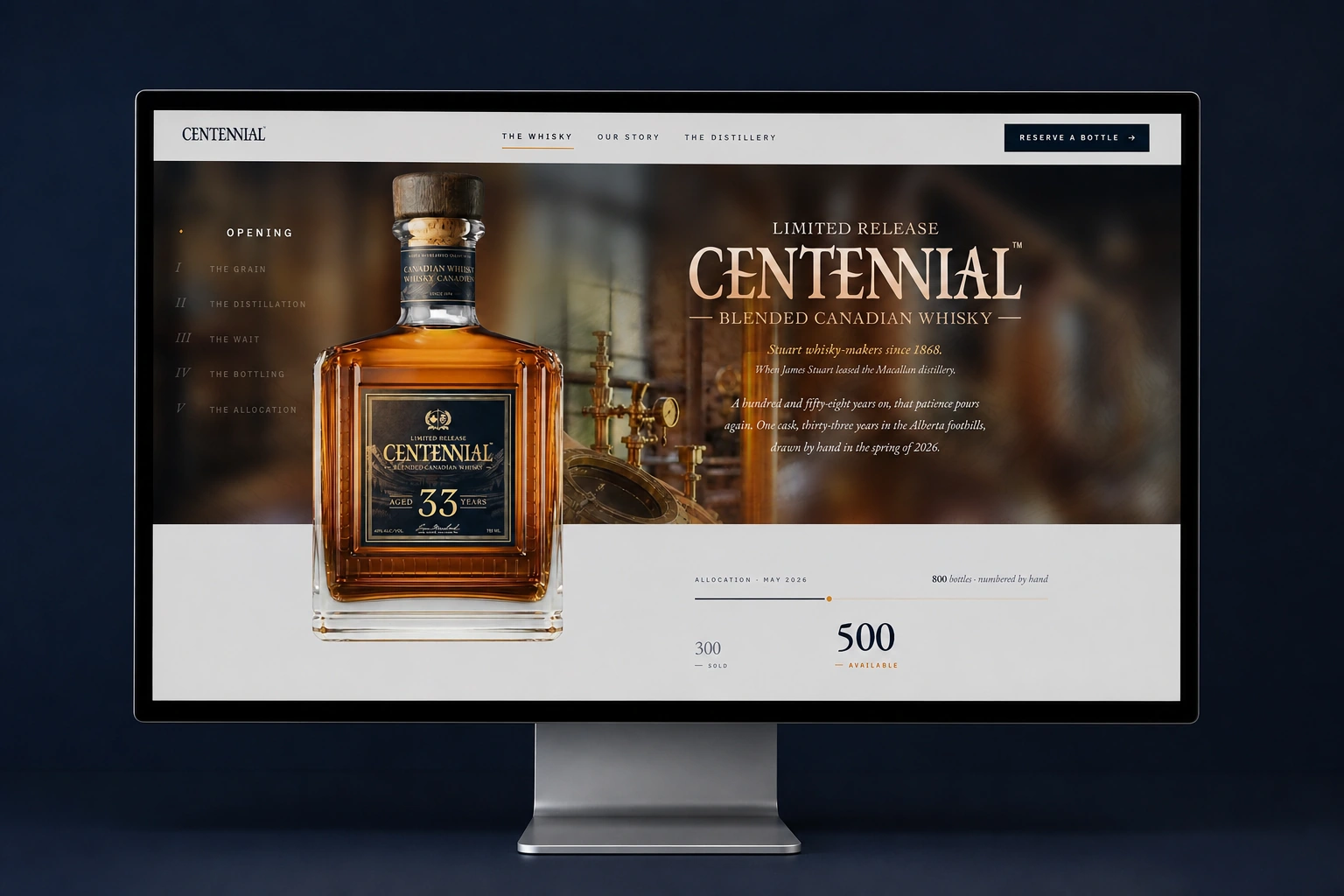
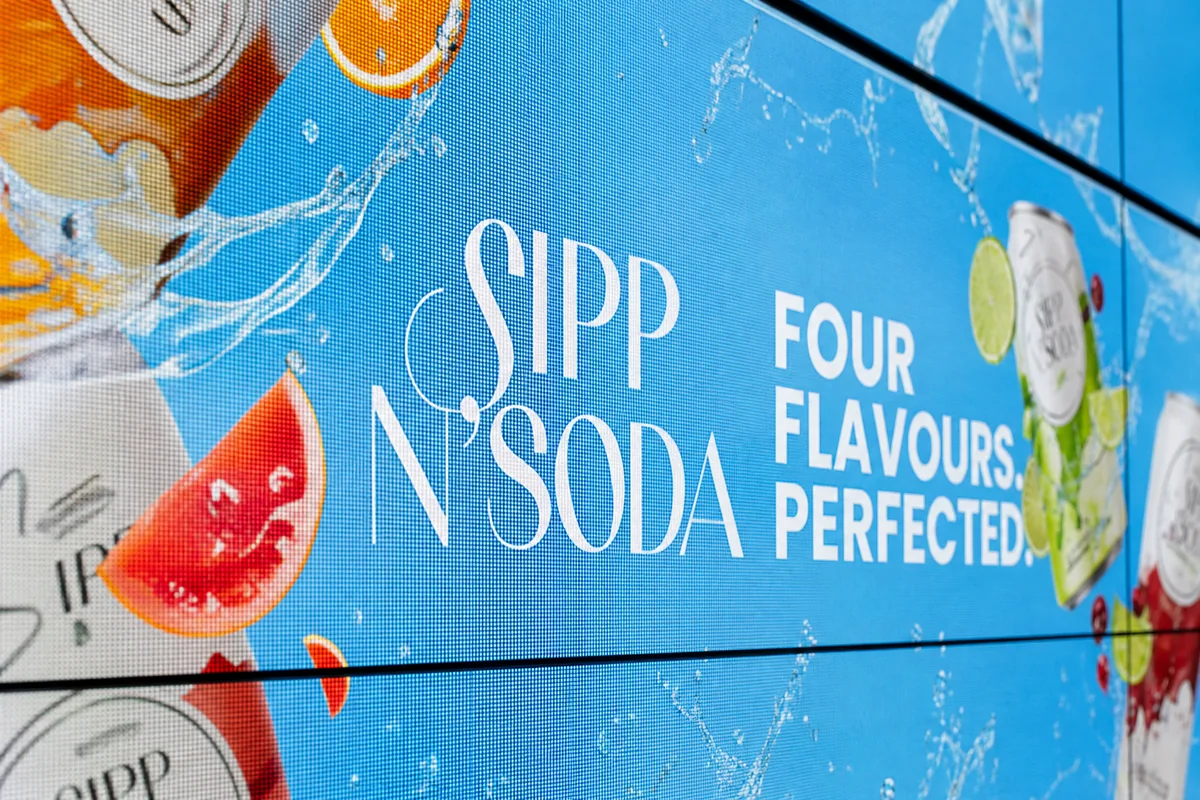
Meridian15 does this from Calgary for brands across Canada. Highwood Whisky, Sipp Vodka and Centennial Whisky are live on sites built here, with product advertising, launch artwork and packaging beside them. Every engagement is quoted to its scope, and ad spend goes to the platforms with nothing taken off the top.


03 · THE WORK
What shipped beside the websites.
The three sites above are live today. Open any of them and pass the age gate. This is the launch artwork, print and packaging built for the same three brands, and the full case for each is on the portfolio.
04 · WHAT GETS BUILT
Four things a bottle needs.
Scoped separately or as one build. Each one names the shipped example it is based on, so the claim can be checked.
The brand and shop site, behind an age gate
Hand-coded, fast under the gate, a page per product, and the route to buy that fits the brand. Highwood connects its distillery story and three age statements to an online shop. Sipp shows where to buy. Centennial 33 takes a reservation for a numbered release.
Launch and packaging creative
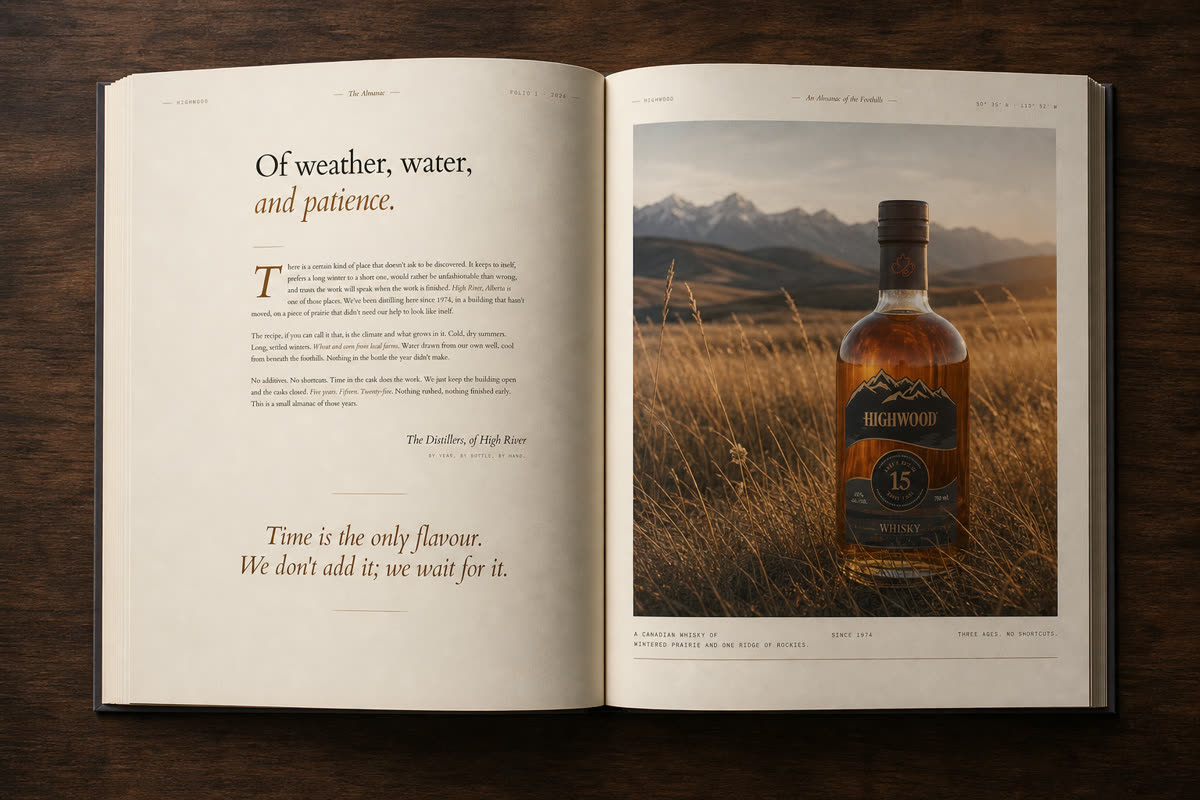
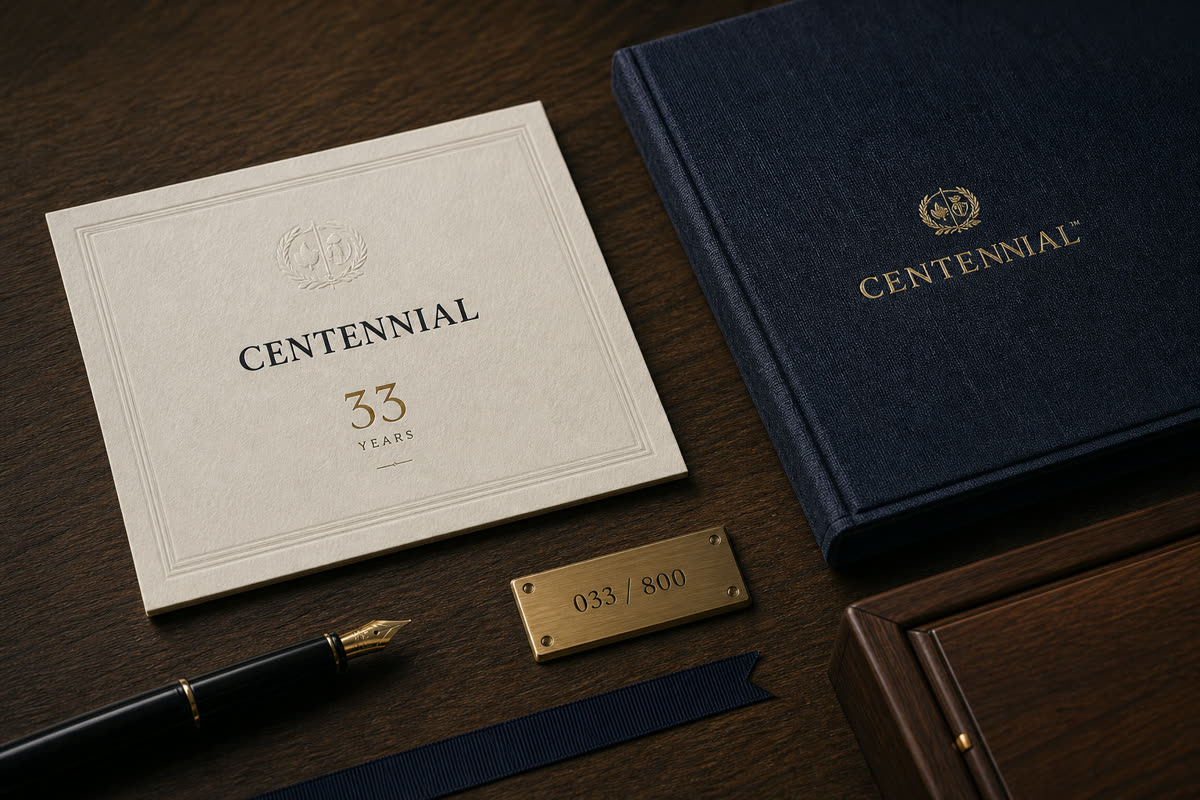
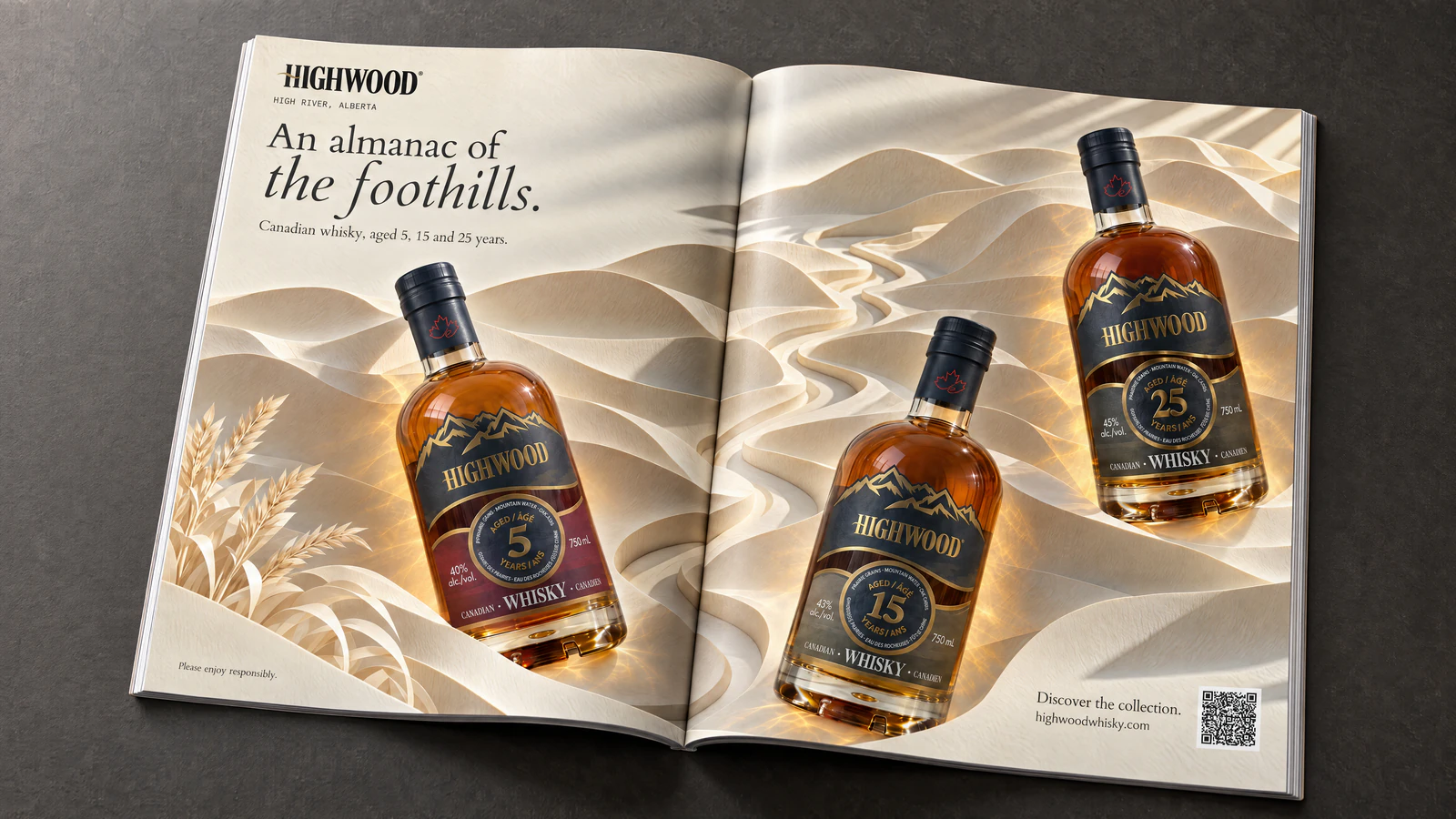
The label, the box, the launch identity and the photography that sells the bottle before anyone tastes it. Centennial 33 was built on its age statement, from the label to the presentation box to the campaign. Sipp N'Soda and You Bet! each got their own launch artwork. Highwood got print, editorial and a magazine spread.
Paid media that clears the rules
Meta and Google both take alcohol advertising in Canada with age-restricted audiences and product rules. The account is set up to policy first, the audience is limited to people who can buy and provinces the brand can serve, and the creative is the real product in the real place. Spend goes to the platforms, the fee is separate.
Retail and direct-to-consumer pathways
A retailer lookup where the bottle is stocked, a shop where shipping is permitted, and the sell sheet and product photography a store buyer wants before either exists. The province-by-province shipping rules go into checkout, not into a footnote.
You don't need a louder label.
You need the shelf and the screen to agree.
Get a brand auditHow an alcohol brand build actually runs.
Four phases with named deliverables. The rules are mapped first, because every later decision, from the checkout to the ad audience, depends on which provinces the brand can serve.
Audit Wk 1-2
Where the brand can sell and ship, province by province. Current site, age gate, product pages, retail listings, ad accounts and policy standing. Out: a written gap report and the scope, quoted as one number.
Brand and site Wk 3-8
Identity or refresh, then the site. Age gate, a page per product, the story of where it is made, and the route to buy that matches the audit. Out: a live site the brand owns outright.
Launch creative Wk 6-10
Photography, label and packaging where scoped, the sell sheet for store buyers, and the launch set for social and print. Out: a launch the sales team and the ads can both run on.
Media and retail Wk 10+
Meta and Google set up to alcohol policy, audiences limited to buyers and provinces the brand can serve, retention email behind the shop. Out: weekly readouts that show spend and orders side by side.
What sinks an alcohol brand online.
Five mistakes that show up on most alcohol audits. None of them are about taste. All of them are about sending a buyer somewhere the bottle cannot be bought. For the rest of a brand build, see branding, and for the store itself, ecommerce.
Treating the age gate as the whole rulebook
The gate is the visible rule. The platform policy, the provincial board and the shipping agreement are the ones that get an ad account paused or an order refunded. A launch that cleared only the gate finds the other three in week two.
Stock photography on a product bought with the eyes
A bottle is chosen on a shelf in about four seconds, and online the photograph is the shelf. A render that does not match the glass in the store loses the second sale. Shoot the real bottle in the real place and use the same frames on the site, the ads and the sell sheet.
No answer to "where can I buy it"
A site that tells the story and never says which stores carry the bottle sends the interested buyer to a search engine, where a competitor with a retailer lookup is waiting. The lookup is a small build and it is the page that converts.
Launching on social before the bottle is on a shelf
The launch post lands, people go looking, nothing is stocked yet and the shop cannot ship to their province. The attention is spent once. Launch creative is timed to the listing and the shipping map, and pre-launch is for building the list, not spending it.
Paid media aimed at provinces the brand cannot serve
A national audience is the platform default. If the shop ships to four provinces, six of every ten clicks land on a checkout that refuses them, and the reporting calls it a conversion problem. Draw the audience from the shipping map and the cost per order drops before the creative changes at all.
[ 07 · FAQ ]
Questions, answered.
Do you work with whisky, vodka and other spirits brands?
Yes. Highwood Whisky, Sipp Vodka and Centennial Whisky all run on sites Meridian15 designed and built. Highwood connects the distillery story and three age statements to its online shop, with product advertising and editorial creative alongside. Sipp explains its vodka and ready-to-drink range and shows people where to buy it, with separate launch artwork for Sipp N'Soda and You Bet! Centennial 33 got a launch site, label and packaging work, and a reservation path for a numbered release.
Can you build an age-gated website for an alcohol brand?
Yes. Every alcohol site here opens with an age check and is built so the gate does not cost the page its speed or its place in search. Behind it sits a product page per bottle, the story of where it is made, and the route to buy, which is a shop, a retailer lookup or a reservation form depending on what the brand is allowed to sell and where.
Can you run Meta and Google ads for alcohol in Canada?
Yes. Both platforms accept alcohol advertising in Canada with age-restricted audiences and product rules, and the account has to be set up to their policy before the first ad runs. The management fee is quoted separately from spend. Ad spend goes directly to Meta and Google, and Meridian15 takes no cut of it.
Do you help with direct-to-consumer alcohol sales?
Yes, within what each province allows. On July 21, 2026 nine provinces signed a direct-to-consumer alcohol agreement, and what a producer can ship, and what each province charges for it, now differs by destination. The work is the shop, the shipping rules built into checkout, the retention email, and the paid media that only points at provinces the brand can serve. The province-by-province detail is in the direct-to-consumer alcohol post on the blog.
Do you work with breweries, cideries, wineries and RTD brands, or only spirits?
All of them. The rulebook is the same, the age gate, the platform policies, the provincial boards and the retail listing, and only the product and the buyer change. The spirits work is what is live and named here, so it is the work you can go and check.
Can you get a distillery listed in liquor stores?
Meridian15 is a marketing and web studio, not a liquor agent or broker, so it does not hold the listing conversation. It builds what that conversation needs, which is product photography that shows the bottle as it sits on a shelf, a sell sheet and a brand page a buyer can check in two minutes, and the launch creative that proves the brand can move product once it is stocked.
Do you do packaging and label design?
Yes. Centennial 33 is the named example, a label, a presentation box and the launch identity built on the age statement, then carried onto the website and the campaign. Packaging is scoped as part of a brand system or a launch, not as a standalone file.
Do you work with alcohol brands outside Alberta?
Yes. The studio is in Calgary and the named clients are Alberta brands, but the work ships anywhere in Canada. The parts that change by province are the shipping rules and the board, and those are mapped at the start of every engagement.
How is marketing an alcohol brand different from marketing any other consumer product?
Three parties get a vote that other categories never hear from. The platforms restrict who can see an ad. The province decides who can ship a bottle where, and what it costs. The retailer decides whether the bottle is on the shelf at all. Marketing that ignores any one of the three pays to send people somewhere they cannot buy.
What does an alcohol brand engagement cost?
Every engagement is quoted to its scope after a short audit. A launch site, a brand system with packaging, and an ongoing paid media retainer are three different scopes and get three different numbers, each fixed in writing before work starts. Ad spend is always separate and goes directly to the platforms.
08 · THE READING
The rules, written down.
- [ DTC ]Direct-to-consumer alcohol in Canada, province by provinceWhere an Alberta distillery can ship after the July 21, 2026 agreement, what each province charges, and what the store needs.
- [ Trade ]The Canada-US alcohol dispute, timeline and current statusThe US import ban in force from 29 September 2026, the four-litre exemption, and where each province stands.
- [ Playbook ]Liquor brand marketing in 2026Platform restrictions, retail dynamics and shipping rules, and the playbook that works inside them.
[ 09 · BRAND AUDIT ]
Alcohol brand audit
Free alcohol brand audit.
Where the brand can sell and ship, province by province, the site and age gate scored, ad policy standing checked, and a written plan. Reply within one business day. Yours to keep.
Hmm
Couldn't send that.
Network might be flaky. Call +1 587-328-1335 or email work@fifteenthmeridian.com and we'll pick this up directly.